

September 14, 2026
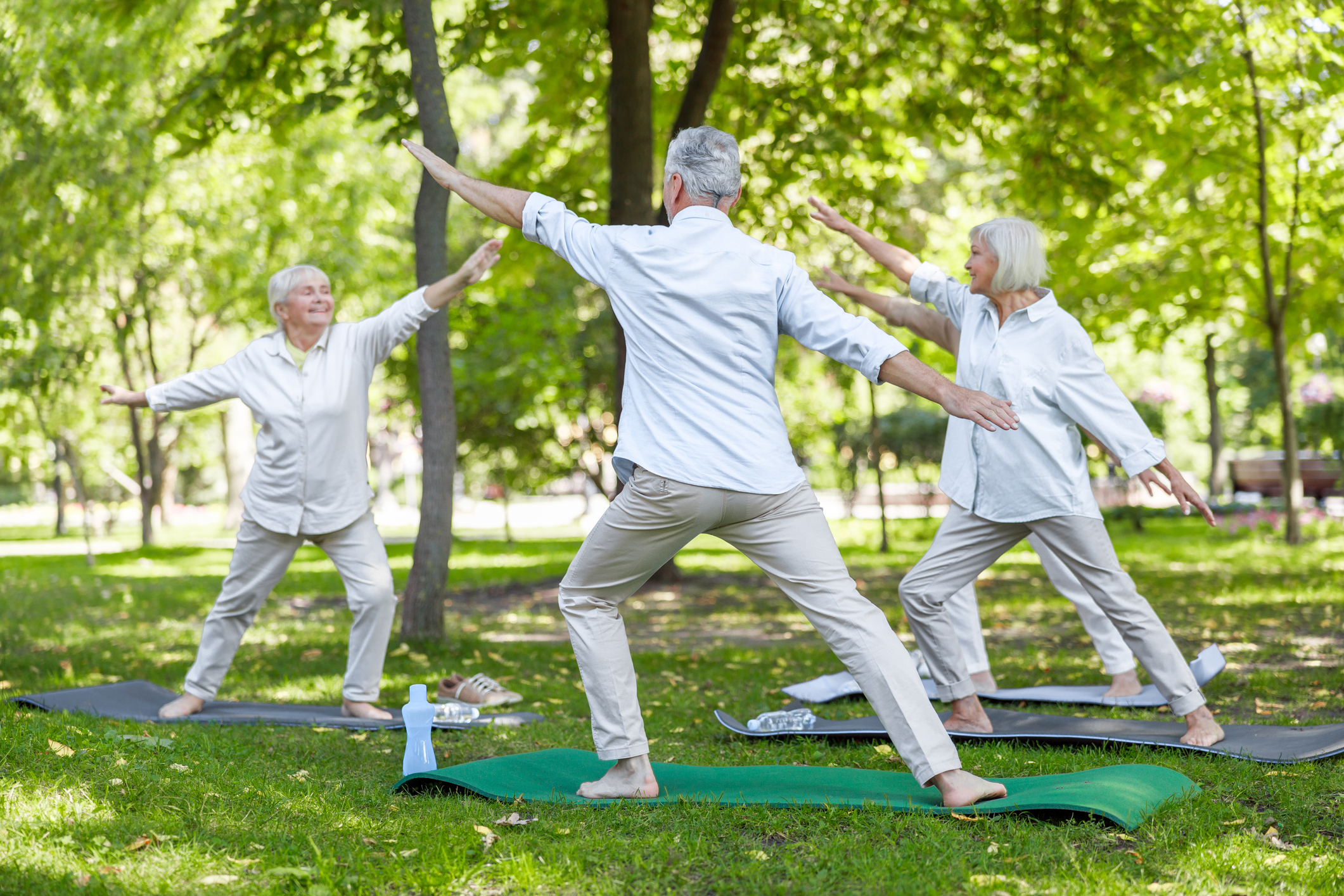
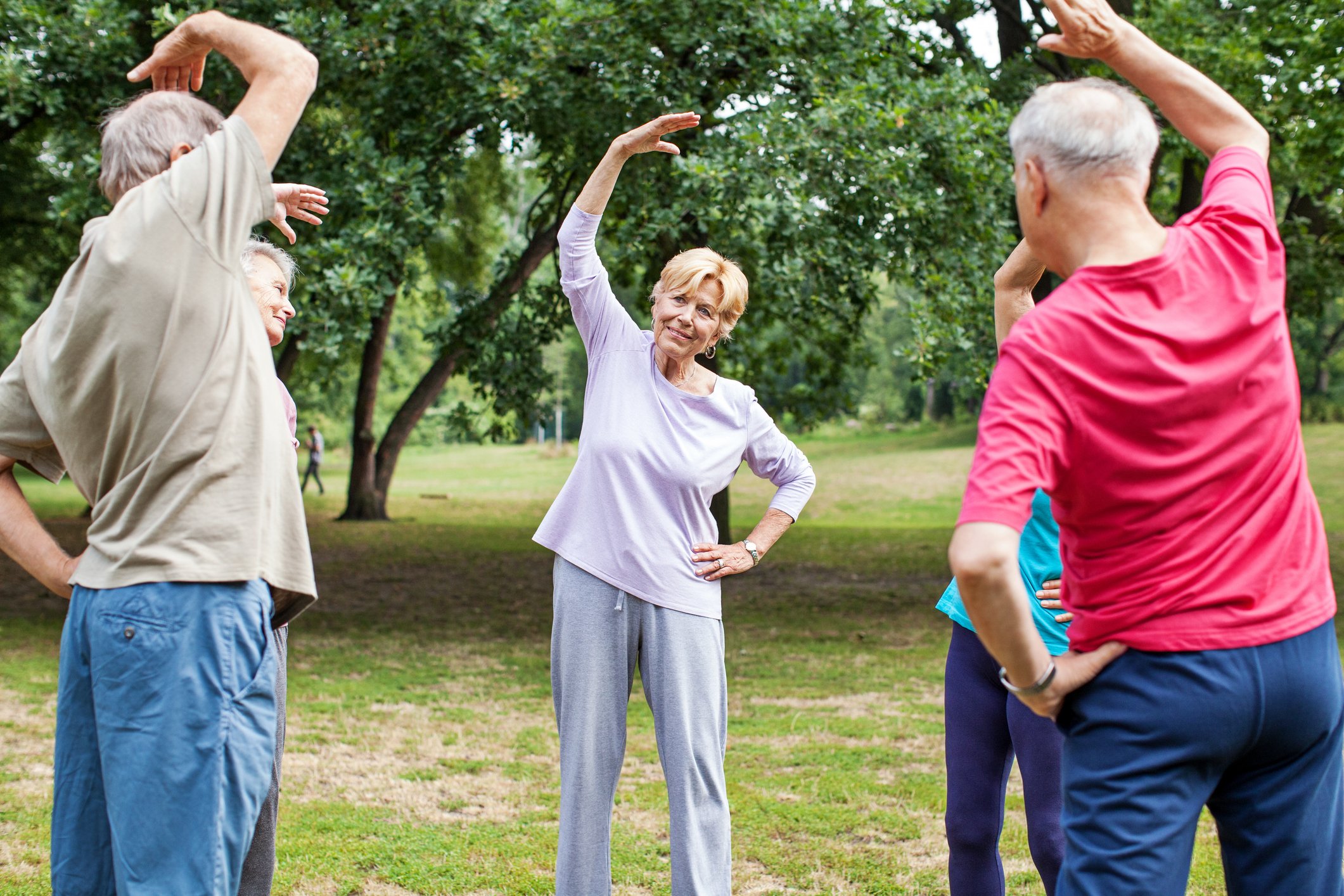
Tai Chi is a gentle mind-body practice that combines slow, controlled movements, focused breathing, balance training, and relaxation. Often described as “meditation in motion,” Tai Chi provides older adults with a low-impact way to stay active while supporting important aspects of healthy aging, including balance, mobility, flexibility, strength, and overall well-being. Because movements can be adapted for different abilities and fitness levels, Tai Chi can be an approachable activity for seniors looking to incorporate more movement, mindfulness, and connection into their daily routine.
Beyond the physical benefits, Tai Chi can be a meaningful part of a balanced lifestyle for many older adults. Regular practice may help improve confidence with everyday movement, encourage relaxation, and create natural opportunities for social interaction through group classes. At Sarasota Bay Club, wellness is woven into everyday life through opportunities for residents to participate in fitness programs, recreational activities, and experiences that support physical, emotional, and social well-being.
What Are the Benefits of Tai Chi for Seniors?
Tai Chi combines balance training, gentle strengthening, coordinated movement, breathing, and focused attention. The National Institute on Aging includes Tai Chi among the balance exercises older adults can use to support their physical health.
Potential benefits of Tai Chi for seniors include:
-
- Improved balance and stability
- Better coordination and body awareness
- Greater lower-body strength
- Support for flexibility and mobility
- Reduced stress and greater relaxation
- A low-impact way to stay physically active
- Opportunities for social interaction in group classes
Because Tai Chi movements are performed slowly and deliberately, participants can focus on posture, weight distribution, and control without placing excessive stress on their joints.
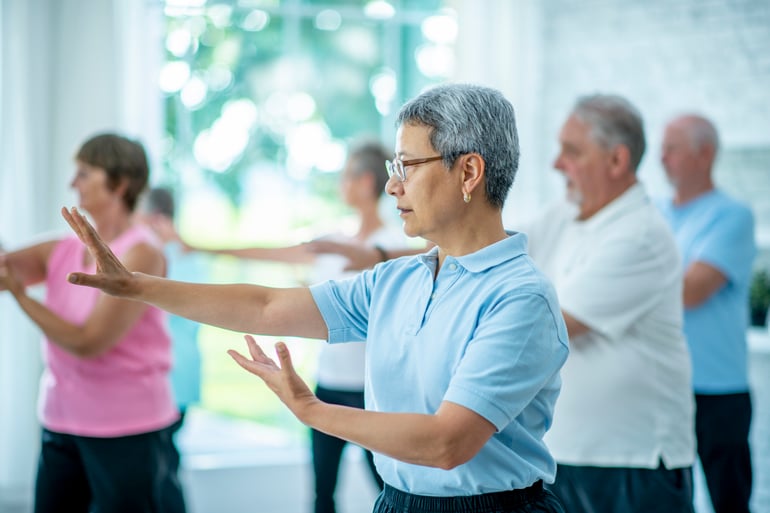
What Is Tai Chi?
Tai Chi originated as a Chinese martial art and developed into a widely practiced form of mind-body exercise. It uses a sequence of flowing postures combined with deep breathing, mental focus, and gradual weight shifts. Harvard Health Publishing describes Tai Chi as a practice that combines gentle movements, controlled breathing, and focused attention to support balance, relaxation, and overall well-being.
Rather than relying on speed or force, Tai Chi encourages participants to move slowly and with control. A typical practice may include:
-
- Shifting weight from one leg to the other
- Coordinating arm and leg movements
- Maintaining an upright, relaxed posture
- Breathing slowly and steadily
- Focusing attention on each movement
- Transitioning smoothly between positions
What Types of Tai Chi Are Suitable for Seniors?
While all forms of Tai Chi share the same foundation of slow, controlled movements and mindful breathing, different styles vary in their pace, posture, and techniques. Understanding the differences can help older adults find a practice that best fits their comfort level, mobility, and personal goals.
Yang Style Tai Chi
Yang style is one of the most commonly practiced forms. It uses slow, broad, and continuous movements and is often approachable for beginners.
Sun Style Tai Chi
Sun style typically incorporates smooth steps, upright postures, and fluid transitions. Modified versions are frequently used in beginner and older-adult programs.
Wu Style Tai Chi
Wu style often uses smaller movements and controlled leaning while maintaining balance and alignment.
Wu/Hao Style Tai Chi
Wu/Hao style emphasizes precise, compact movements and careful control of posture and balance.
Chen Style Tai Chi
Chen style may combine slow movements with quicker or more physically demanding techniques. Certain forms may be better suited to experienced or more physically active participants.
Older adults who are new to the practice should consider looking for a class described as:
-
- Beginner Tai Chi
- Gentle Tai Chi
- Tai Chi for seniors
- Tai Chi for balance
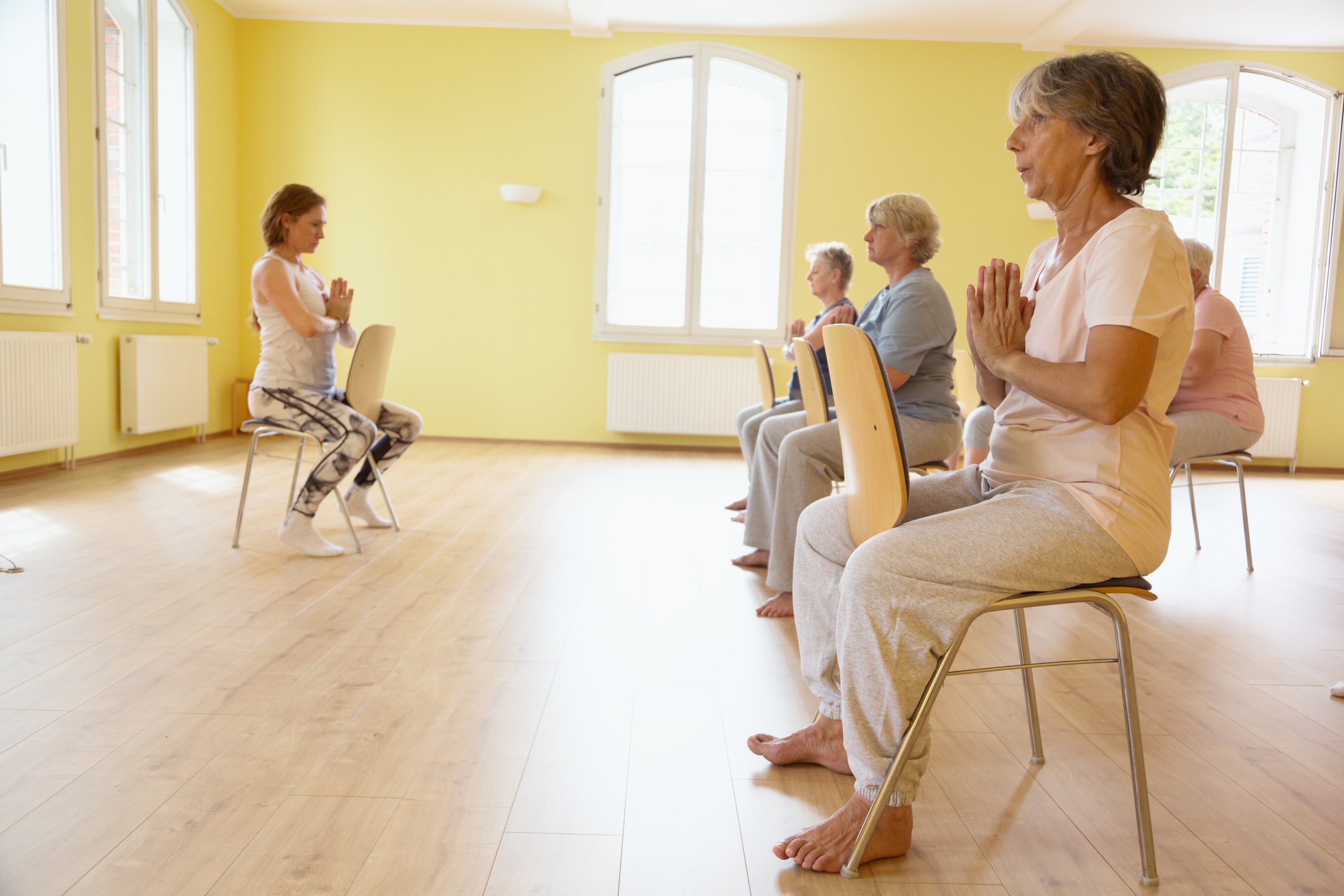
- Chair Tai Chi
How Does Tai Chi Help Seniors?
Tai Chi May Improve Balance and Reduce Fall Risk
Tai Chi requires participants to shift their weight gradually while maintaining control of their posture. These movements can help strengthen the muscles involved in balance and improve awareness of how the body is positioned.
Research reviewed by the National Center for Complementary and Integrative Health suggests that Tai Chi may help improve balance and reduce fall risk in older adults. Maintaining confidence with everyday movement is an important part of independent living and healthy aging.
Tai Chi may help seniors practice skills used during everyday activities, including:
-
- Standing from a chair
- Changing direction while walking
- Stepping around an obstacle
- Reaching for an object
- Moving across an uneven surface
- Recovering from a small loss of balance
Older adults with significant balance concerns should practice near a stable chair, railing, or wall and work with an instructor who can provide appropriate modifications.
Tai Chi Can Support Strength and Mobility
While Tai Chi is often recognized for its calming and meditative qualities, it is also a form of gentle movement that encourages balance, coordination, and body awareness.
During a Tai Chi practice, movements may engage:
-
- Legs and hips, which help support standing, walking, and balance
- Core muscles, which contribute to posture and stability
- Back, shoulders, and arms, which assist with controlled movement and coordination
- Muscles that support balance, helping older adults move with greater confidence
Maintaining strength, mobility, and balance is an important part of healthy aging. These abilities can support everyday activities such as walking, climbing stairs, getting up from a chair, and participating in hobbies and social activities.
For seniors looking to stay active, Tai Chi can be one part of a broader wellness routine that includes regular movement, social connection, and activities that support an independent lifestyle.
Tai Chi May Promote Flexibility and Coordination
Tai Chi encourages participants to use slow, deliberate movements that involve the arms, legs, and torso while focusing on balance, breathing, and body control.
Regular Tai Chi practice may help older adults:
-
- Improve balance and stability
- Support flexibility and mobility
- Build greater awareness of body movement
- Encourage relaxation through mindful breathing
- Stay active through a low-impact form of exercise
Because Tai Chi focuses on controlled movements rather than speed or intensity, it can be an approachable activity for seniors who want to incorporate more movement into their wellness routine. Participants should practice at a comfortable pace and choose modifications that align with their individual abilities.
Tai Chi May Help Reduce Stress
Tai Chi encourages participants to focus on their breathing and movements rather than outside distractions. This deliberate attention can create a calming rhythm and provide a break from daily stress.
Participants may find that Tai Chi helps them:
-
- Slow their breathing
- Feel calmer and more centered
- Release physical tension
- Improve concentration
- Create a consistent relaxation routine
- Reconnect with the present moment
Tai Chi is not a replacement for medical or mental health treatment. However, its combination of movement, breathing, and mindfulness may make it a valuable part of an overall wellness routine.
Group Tai Chi Classes Can Encourage Social Connection
Tai Chi can be practiced alone, but group classes offer additional opportunities for social engagement. A scheduled class gives participants a shared activity and a consistent reason to gather.
Group Tai Chi may help seniors:
-
- Meet people with similar interests
- Develop a regular wellness routine
- Learn from an experienced instructor
- Stay motivated through shared participation
- Build confidence in a supportive setting
For older adults exploring a more socially connected retirement, Sarasota Bay Club also offers activities, events, clubs, and community amenities that make it easier to remain involved.
Discover an Active Lifestyle at Sarasota Bay Club
At Sarasota Bay Club, wellness is part of everyday community life. Residents can participate in fitness programs, explore new interests, and connect with neighbors through activities that support physical, emotional, and social well-being.
Community wellness opportunities include:
-
- A fully equipped fitness center
- A heated pool and spa
- Walking paths
- Group fitness classes
- Preventive wellness programs
- Social and recreational activities
These resources make it easier for residents to build healthy routines without leaving the community.
Schedule a private tour to learn more about waterfront independent living, community activities, and wellness opportunities in Sarasota.
Frequently Asked Questions About Tai Chi for Seniors
Is Tai Chi a good exercise for seniors?
Tai Chi can be a good exercise for many seniors because it combines gentle movement, balance training, breathing, and concentration without the impact associated with running or jumping. Its movements can also be modified for different fitness and mobility levels.
Can Tai Chi help seniors improve their balance?
Tai Chi may improve balance by helping participants practice controlled weight shifting, posture, coordination, and body awareness. According to the National Center for Complementary and Integrative Health, Tai Chi has been studied for its potential role in improving balance and reducing falls among older adults.
Can Tai Chi help prevent falls?
Tai Chi cannot eliminate every fall risk, but evidence suggests that it may help reduce falls in older adults by improving balance, stability, strength, and movement control. Seniors should also address other fall risks, including medications, vision concerns, footwear, and household hazards. For guidance on safe physical activity and maintaining an active lifestyle, Sarasota Bay Club offers wellness programs designed for older adults.
Can seniors practice Tai Chi while sitting?
Yes. Many Tai Chi movements can be adapted for a seated position. Chair Tai Chi may be appropriate for people with limited mobility, difficulty standing for extended periods, or concerns about balance. For tips on safe senior exercise, learn how Sarasota Bay Club incorporates accessible wellness activities for residents in our community programs.
Which type of Tai Chi is best for seniors?
Gentle forms of Yang or Sun style Tai Chi are frequently used in beginner and senior-focused classes. However, the instructor’s experience, class pace, and availability of modifications are often more important than the style itself.
Do seniors need special equipment for Tai Chi?
Tai Chi generally requires no special equipment. Participants typically need comfortable clothing, supportive footwear, and a safe area for movement. A stable chair may be used for balance or seated modifications.
Should seniors talk to a doctor before starting Tai Chi?
Older adults with significant balance problems, cardiovascular conditions, recent surgeries, severe pain, or other health concerns should speak with an appropriate healthcare professional before beginning Tai Chi or another new exercise program. At Sarasota Bay Club, our residents can participate in supervised wellness and fitness programs designed to keep seniors active, safe, and supported while enjoying a variety of wellness activities.

Subscribe to our blog
Recent Posts

.jpg)
September 8, 2026

August 24, 2026


Leave your thought here
Your email address will not be published. Required fields are marked *