

September 28, 2026

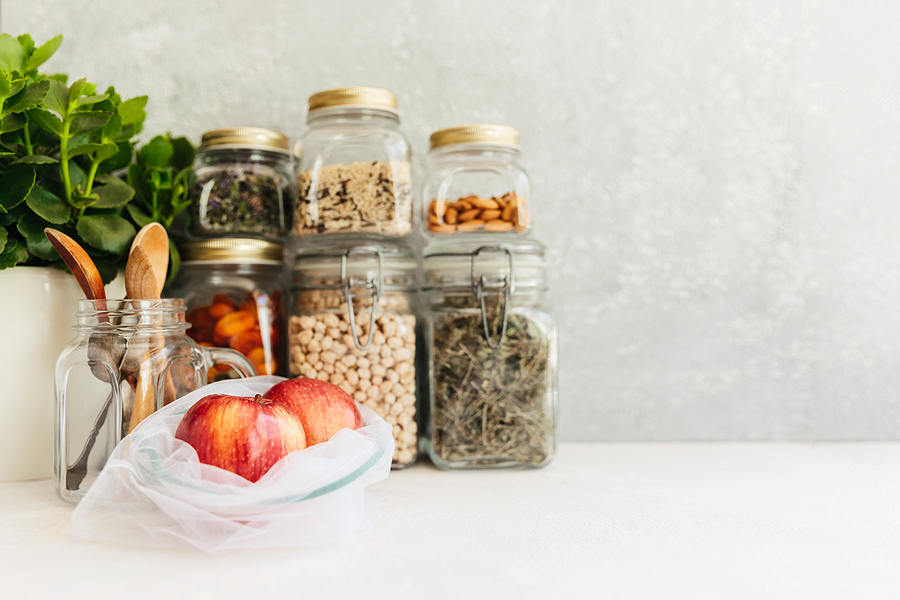
The foods you eat can play an important role in protecting muscle strength as you age. Protein-rich foods such as fish, Greek yogurt, eggs, lean meats, beans, nuts, and other nutrient-dense choices provide the building blocks your body needs to maintain and repair muscle.
Some of the best foods for supporting muscle health as you get older include:
- Fatty fish
- Greek yogurt and dairy
- Lean meats, poultry, and eggs
- Beans, lentils, and tofu
- Nuts and seeds
- Whole grains
- Leafy greens and colorful vegetables
- Leucine-rich foods
Muscle mass naturally begins to decline with age, a process known as sarcopenia. While some muscle loss is a normal part of aging, healthy eating combined with regular physical activity can help you maintain strength, mobility, and independence so you can continue enjoying an active lifestyle.
Why Muscle Health and Protein Matter as You Age
Strong muscles do much more than help you lift weights. Maintaining muscle strength supports everyday movement, balance, mobility, and independence. Whether you are climbing stairs, carrying groceries, walking along Sarasota’s waterfront, or keeping up with grandchildren, healthy muscles make everyday activities easier.
Maintaining muscle strength can help support:
- Balance and stability
- Mobility and everyday movement
- An active, independent lifestyle
- The ability to continue participating in activities you enjoy
Protein is especially important because it provides amino acids that the body uses to build and repair muscle tissue. As we age, getting enough protein becomes increasingly important for helping the body maintain muscle.
While individual nutritional needs vary, older adults may benefit from consuming approximately 1.0 to 1.2 grams of protein per kilogram of body weight per day. For example, a 165-pound adult may need roughly 75 to 90 grams of protein daily.
Rather than consuming most of your protein at one meal, consider including a quality protein source throughout the day. A balanced breakfast, lunch, dinner, and protein-rich snacks can make it easier to meet your nutritional needs.
8 Muscle-Protecting Foods for Healthy Aging
1. Fatty Fish
Fish such as salmon, sardines, and mackerel provide both high-quality protein and omega-3 fatty acids. Salmon is also a source of vitamin D, which plays a role in bone health and muscle function.
For variety, you can also incorporate seafood commonly enjoyed along Florida’s Gulf Coast, such as grouper or snapper.
Try adding fish to your diet by:
- Grilling salmon with vegetables
- Adding canned sardines to salads or whole-grain crackers
- Pairing grilled fish with quinoa or leafy greens
- Choosing seafood as a lean protein for lunch or dinner
2. Greek Yogurt and Dairy
Greek yogurt is an easy way to add more protein to breakfast or snacks while also providing calcium.
Greek yogurt can be especially convenient for older adults because it combines protein with a soft texture and requires little preparation.
Try pairing Greek yogurt with berries, nuts, or seeds for a nutrient-dense breakfast or afternoon snack.
Other dairy options may include:
- Cottage cheese
- Milk
- Cheese
- Lower-sugar yogurt
3. Lean Meats, Poultry, and Eggs
Chicken, turkey, lean cuts of meat, and eggs are all reliable sources of protein that can help support muscle maintenance.
Including protein at breakfast can be particularly helpful for spreading your intake throughout the day. Eggs, for example, can make it easier to add protein to a meal that might otherwise consist mostly of carbohydrates.
Simple options include:
- Eggs with whole-grain toast
- Grilled chicken over a salad
- Turkey with vegetables
- Shrimp with quinoa or brown rice
4. Beans, Lentils, and Tofu
Plant-based proteins such as beans, lentils, and tofu provide protein along with other valuable nutrients.
They are also versatile enough to work in a variety of meals, including:
- Bean-based soups and chili
- Lentil salads
- Grain bowls
- Tofu stir-fries
- Beans paired with vegetables and whole grains
Plant proteins can help add variety to your diet while contributing to your overall daily protein intake.
5. Nuts and Seeds
Almonds, walnuts, peanuts, chia seeds, and other nuts and seeds provide a combination of protein, healthy fats, and other nutrients.
They can also be convenient when you need a simple snack between meals.
Consider adding them to:
- Yogurt
- Oatmeal
- Salads
- Smoothies
A small portion of nuts can also make an easy snack while traveling, spending time outdoors, or enjoying a day by the pool.
6. Whole Grains
Whole grains such as quinoa, oats, barley, and brown rice provide complex carbohydrates that help fuel an active lifestyle while also contributing some protein.
Quinoa is particularly useful because it contains all nine essential amino acids.
Try using quinoa as the base for a balanced bowl with:
- Grilled chicken or fish
- Beans or tofu
- Leafy greens
- Colorful vegetables
- Nuts or seeds
Combining protein, vegetables, and whole grains can help create a satisfying, nutrient-dense meal.
7. Leafy Greens and Colorful Vegetables
Vegetables may not be the first food that comes to mind when thinking about muscle health, but they provide nutrients that support overall health and physical function.
Spinach, kale, broccoli, peppers, carrots, and other colorful vegetables can help add important vitamins and minerals to your meals.
For a more balanced meal, pair vegetables with a source of protein, such as fish, chicken, eggs, beans, or tofu.
8. Leucine-Rich Foods
Leucine is an essential amino acid involved in muscle protein synthesis. It is naturally found in several protein-rich foods, including:
- Dairy products
- Eggs
- Beef
- Chicken
- Fish
- Soy foods
Rather than focusing on one individual nutrient, eating a varied diet with high-quality protein sources throughout the day can help provide leucine along with the other nutrients your body needs.
Lifestyle Strategies That Support Your Nutrition
Food is an important part of healthy aging, but maintaining strength involves more than what you eat. Nutrition and regular movement work together to support muscle health.
Include Strength Training
Resistance exercises can help maintain and build muscle. Depending on your fitness level, this could include:
- Resistance bands
- Light weights
- Body-weight exercises
- Guided fitness classes
Choose activities appropriate for your abilities, and speak with your healthcare provider before beginning a new exercise routine if you have health concerns.
Stay Consistently Active
Regular movement helps support mobility and overall wellness.
Walking Sarasota’s scenic paths, swimming, participating in fitness classes, or simply incorporating more movement into your day can all contribute to an active lifestyle.
Include Protein Throughout the Day
Instead of relying on one protein-heavy dinner, include a source of protein at meals and snacks throughout the day.
For example:
- Eggs or Greek yogurt at breakfast
- Chicken, fish, tofu, or beans at lunch
- Nuts or yogurt as a snack
- Fish, lean meat, or legumes at dinner
Prioritize Rest and Recovery
Your body also needs time to recover after activity. Adequate sleep, balanced nutrition, hydration, and sufficient calorie intake all contribute to overall wellness and recovery.
Frequently Asked Questions About Foods for Muscle Health
What foods are best for maintaining muscle as you age?
Protein-rich foods are among the best choices for supporting muscle as you age. Fish, eggs, lean meats, Greek yogurt, beans, lentils, tofu, nuts, and seeds can all contribute to your daily protein intake. Whole grains, vegetables, and other nutrient-dense foods also support a balanced diet.
Why is protein important for older adults?
Protein provides the amino acids the body uses to build, maintain, and repair muscle tissue. Getting enough protein can help older adults support muscle strength, mobility, and an active lifestyle, particularly when combined with regular physical activity.
How much protein do older adults need?
Protein needs vary based on body size, activity level, health conditions, and other factors. General guidance may suggest approximately 1.0 to 1.2 grams of protein per kilogram of body weight per day for many older adults. A physician or registered dietitian can help determine an appropriate amount based on individual needs.
Can you maintain muscle after age 60?
Yes. Although muscle loss tends to increase with age, regular resistance exercise, adequate protein, balanced nutrition, and consistent activity can help older adults maintain strength and muscle function.
Is eating more protein enough to prevent muscle loss?
Protein is important, but nutrition is only one part of maintaining muscle. Combining adequate protein with resistance exercise, regular movement, sufficient calories, hydration, and recovery provides a more complete approach to supporting muscle health.
Take the Next Step Toward Stronger Muscles
Building and maintaining strength requires consistency with both nutrition and activity. The foods outlined above can provide a strong nutritional foundation, but individual needs vary based on your activity level, health, medications, and personal preferences.
At Sarasota Bay Club, residents have access to resources that support an active and healthy lifestyle, including:
- Fitness Classes: Explore fitness center activities, strength training, and low-impact exercise opportunities designed for active older adults.
- Nutritional Guidance: Connect with onsite nutrition professionals to develop an eating approach that fits your individual needs and preferences.
- Healthy Dining Options: Enjoy thoughtfully prepared dining options that make nutritious choices easier to incorporate into daily life.
The best way to see how Sarasota Bay Club supports health and wellness is to experience it yourself. Schedule a personal tour and explore the programs, amenities, and lifestyle designed to help residents stay active, engaged, and ready to enjoy all that retirement in Sarasota has to offer.

Subscribe to our blog
Recent Posts


September 21, 2026
September 14, 2026
.jpg)
September 8, 2026

August 24, 2026


Leave your thought here
Your email address will not be published. Required fields are marked *