

October 12, 2026


Falls are common among older adults, with about 1 in 4 adults age 65 and older reporting a fall each year, according to the Centers for Disease Control and Prevention (CDC). The good news is that many falls can be prevented with simple steps like improving home safety, staying active, and addressing balance or vision concerns.
Improve Home Safety
Many falls happen at home, where familiar spaces can still present unexpected hazards. Taking a little time to look at your surroundings with safety in mind can make it easier to move through your home with confidence.
A few simple changes can make a meaningful difference:
- Remove clutter, electrical cords, and other objects from walkways.
- Secure or remove loose rugs.
- Add grab bars in bathrooms and handrails along stairways.
- Use night lights in bedrooms, bathrooms, and hallways.
- Keep frequently used items within easy reach.
- Clean up spills promptly and use nonslip surfaces where needed.
Good lighting is especially important, as changes in vision can make it harder to notice obstacles or uneven flooring. Making sure entrances, hallways, bathrooms, and stairways are well lit can help make everyday movement feel more secure.
Stay Active and Work on Your Balance
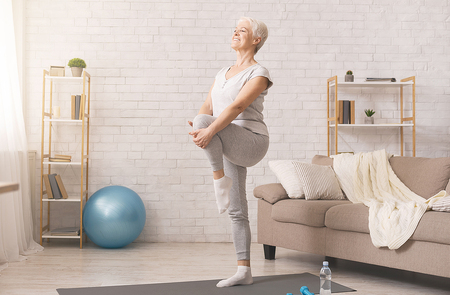
Staying physically active is another important part of fall prevention. Regular movement can help support strength, flexibility, coordination, and balance, all of which can make everyday activities feel safer and more manageable.
Walking, stretching, light strength training, Tai Chi, and balance-focused exercises can all be good options depending on your comfort level and overall health. Even small amounts of regular activity can help you maintain mobility and confidence over time.
Staying physically active is another important part of fall prevention. Regular movement can help support strength, flexibility, coordination, and balance, which all play a role in helping you move more confidently.
Pay Attention to Medications, Vision, and Other Fall Risks
Not every fall is caused by tripping over an object. Medications, dizziness, changes in vision or hearing, and certain health conditions can also affect balance and stability.
Review your medications regularly with your healthcare provider, as some medications can affect balance and increase the risk of falls. Routine vision and hearing checks can also help identify changes that may make it more difficult to safely navigate your surroundings.
If you sometimes feel unsteady when standing up, take your time and move slowly. If your healthcare provider recommends a cane, walker, or other assistive device, using it consistently can provide additional support.
If you do experience a fall, be sure to tell your healthcare provider, even if you do not think you were seriously injured. A fall can sometimes point to an underlying issue with medication, vision, balance, or strength that may be worth addressing.
Wear Supportive Shoes
The shoes you wear can have a significant impact on your stability. Choose footwear that fits securely, provides good support, and has nonslip soles to help reduce the risk of slipping or losing your balance.
Avoid shoes that are loose, worn down, or difficult to walk in safely. Supportive footwear can help reduce fall risk and make everyday movement feel more comfortable and secure.
Do Not Let a Fear of Falling Hold You Back
A fall can be unsettling, and even those who have never fallen may worry about what could happen if they do. That concern is understandable, but becoming too cautious can sometimes have the opposite effect.
Avoiding exercise or everyday activities because of a fear of falling can gradually reduce the strength and mobility that help support stability. Finding safe, comfortable ways to keep moving can help maintain physical function over time.
That might mean using well-maintained walking paths, joining supervised fitness activities, exercising with a friend, or using an assistive device when appropriate. Sarasota Bay Club residents also have access to a variety of wellness and recreational opportunities that make it easier to stay engaged.
Walking, in particular, can be an approachable way to support both physical and social well-being.
Staying Active and Supported at Sarasota Bay Club
At Sarasota Bay Club, residents have access to a variety of opportunities that make it easier to maintain an active and engaged lifestyle. From fitness and wellness programs to walking paths, recreation, and social activities, residents can choose the activities that best fit their interests and comfort level.
Having wellness resources close to home can make healthy routines easier to maintain, while also giving residents the confidence of knowing support is nearby if their needs change.
For those recovering from an injury, illness, or fall, Sarasota Bay Club also offers rehabilitation and recovery services. These services can support areas such as strength, movement, flexibility, endurance, and balance while helping individuals work toward greater independence.
Feel Confident in Your Next Chapter
Fall prevention does not have to mean changing everything about your daily routine. Often, it is a combination of small, thoughtful choices that can make the biggest difference. By creating a safer home environment, staying active, choosing supportive footwear, and addressing health concerns as they arise, older adults can take meaningful steps toward maintaining their independence and confidence.
At Sarasota Bay Club, residents can enjoy an active waterfront lifestyle with wellness opportunities and support available right within the community. Schedule a personal tour to learn more about Sarasota Bay Club's residences, amenities, wellness programs, and services.
Frequently Asked Questions About Fall Prevention for Seniors
What is the best way for seniors to prevent falls?
There is no single step that can prevent every fall. A combination of regular physical activity, home safety improvements, supportive footwear, medication reviews, and routine vision and hearing checks can help reduce risk and make everyday movement feel safer.
What exercises can help seniors prevent falls?
Exercises that support balance, coordination, flexibility, and leg strength may be especially helpful. Walking, strength training, Tai Chi, yoga, and targeted balance exercises are all common options. If you have existing balance or mobility concerns, talk with your healthcare provider before starting something new.
What are common fall hazards in the home?
Common hazards include loose rugs, cluttered walkways, poor lighting, electrical cords, slippery bathroom surfaces, uneven flooring, and stairs without secure handrails. Making small adjustments in these areas can help create a safer home environment.
What should a senior do after a fall?
Even if you do not believe you were seriously injured, it is a good idea to tell your healthcare provider about the fall. They may want to review your medications, vision, balance, strength, or other health factors that could increase the likelihood of another fall.
Can fear of falling increase fall risk?
It can indirectly contribute to greater risk. When fear causes someone to become much less active, they may gradually lose strength, balance, and confidence. Finding safe and appropriate ways to keep moving can help support mobility and independence.

Subscribe to our blog
Recent Posts


October 5, 2026
September 28, 2026

September 21, 2026

September 14, 2026


Leave your thought here
Your email address will not be published. Required fields are marked *