

September 28, 2026


Staying active is essential for senior health, helping improve strength, mobility, and mental clarity. However, too much exercise can be harmful for seniors if it leads to fatigue, injury, or insufficient recovery. Finding the right balance between activity and rest is key to maintaining long-term wellness.
Related Blog:Stay Connected, Stay Supported: How Sarasota Bay Club’s Connected Life Program Enhances Everyday Living
How Often Should Seniors Exercise?
According to the CDC, physical activity is critical to healthy aging--and most people, far from getting too much exercise, are in fact getting too little. It's recommended that most adults get 2.5 hours (150 minutes) of moderate-intensity exercise each week: 30 minutes, at least 5 times per week.
While over-exercising is certainly a risk, especially when recovering from an injury or illness, adults aged 60 years or older should try to exercise every day.

What Are The Best Exercises for Seniors?
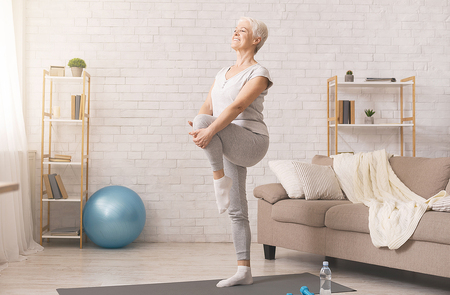
Exercise for seniors needs to be balanced between cardio, strength, and balance training. It's recommended that adults over 60 focus 2 of their 5 exercise days on muscle strengthening that includes all the major muscle groups. In addition, it's important to incorporate balance exercises, either in your aerobic or strength training or for a few minutes every day.
Here are some exercises that seniors can do at different levels of intensity so your workout is tailored to your healthy aging goals:
- Join a group fitness class at a local community center or senior living facility to stay active and social
- Take a brisk daily walk for moderate-intensity cardio and heart health
- Try higher-intensity activities like hiking, jogging, or light running for shorter periods
- Spend time gardening to improve balance, motor skills, and mental well-being
- Go for bike rides to build endurance
- Swim or join a water aerobics class for a joint-friendly, full-body workout
- Practice yoga or chair yoga to improve flexibility and balance
- Take a dance class like Zumba Gold or line dancing for fun, social exercise
- Try weight training or bodyweight exercises to maintain muscle and bone health

How to Lower Exercise Risks for Older Adults:
For seniors, taking a few precautions is one of the most effective ways to enhance exercise safety and ensure that they won't end up experiencing the negative impacts of too much exercise. These include:
- Staying well hydrated. Keep drinking! Plenty of water or, if necessary, sports drinks with added electrolytes, can go a long way toward keeping you healthy when you're exercising.
- Paying attention to your body. Getting a little flushed or out of breath is normal for exercise, but if you start feeling dizzy or lightheaded, you should slow down or stop exercising.
- Taking it slow. If you're just starting a new exercise routine, don't try to dive in all at once! Instead, slowly work up what you're able to do until your endurance increases.
- Letting someone know what you're doing. If you're going for a walk or a hike, make sure that someone knows where you are and when you're expected back.
Frequently Asked Questions
What are the signs of too much exercise for seniors?
Common signs include ongoing fatigue, joint pain, dizziness, or slow recovery after workouts. These may indicate the need to scale back.
What are the safest exercises for seniors?
Low-impact activities like walking, swimming, cycling, and yoga are generally the safest and most effective options.
Is strength training safe for older adults?
Yes, strength training is highly beneficial for maintaining muscle mass, improving balance, and supporting bone health when done properly.
How often should seniors exercise each week?
Most seniors benefit from moderate exercise about 3–5 days per week, combined with rest or recovery days in between. A balanced routine typically includes cardio, strength training, flexibility, and balance exercises.
How can seniors prevent overexertion during exercise?
Seniors can prevent overexertion by listening to their bodies, staying hydrated, warming up and cooling down properly, and gradually increasing intensity over time. Taking rest days and avoiding pushing through pain are also important for long-term health.
Sarasota Bay Club is proud to offer many health and wellness classes and activities to our residents. Contact us today to schedule a tour and explore our independent living community today.

Subscribe to our blog
Recent Posts

September 21, 2026

September 14, 2026
.jpg)
September 8, 2026

August 24, 2026


Leave your thought here
Your email address will not be published. Required fields are marked *